What you can handle safely
Small, contained cleaning tasks and temporary mitigation can be done by homeowners. If you have a minor spill on a hard surface, you can blot it up and dry the area with towels and a fan. Keeping doors open for airflow and using a dehumidifier can reduce moisture levels in a simple, daylight-lit room. In Texas, quick, calm action in these moments can prevent a situation from getting worse.
Document what you did and note the time. If odors persist or dampness continues after 24 hours, that’s a signal to involve restoration specialists. Texas Flood Restoration provides guidance and can schedule a professional evaluation statewide.
When DIY stops helping or becomes risky
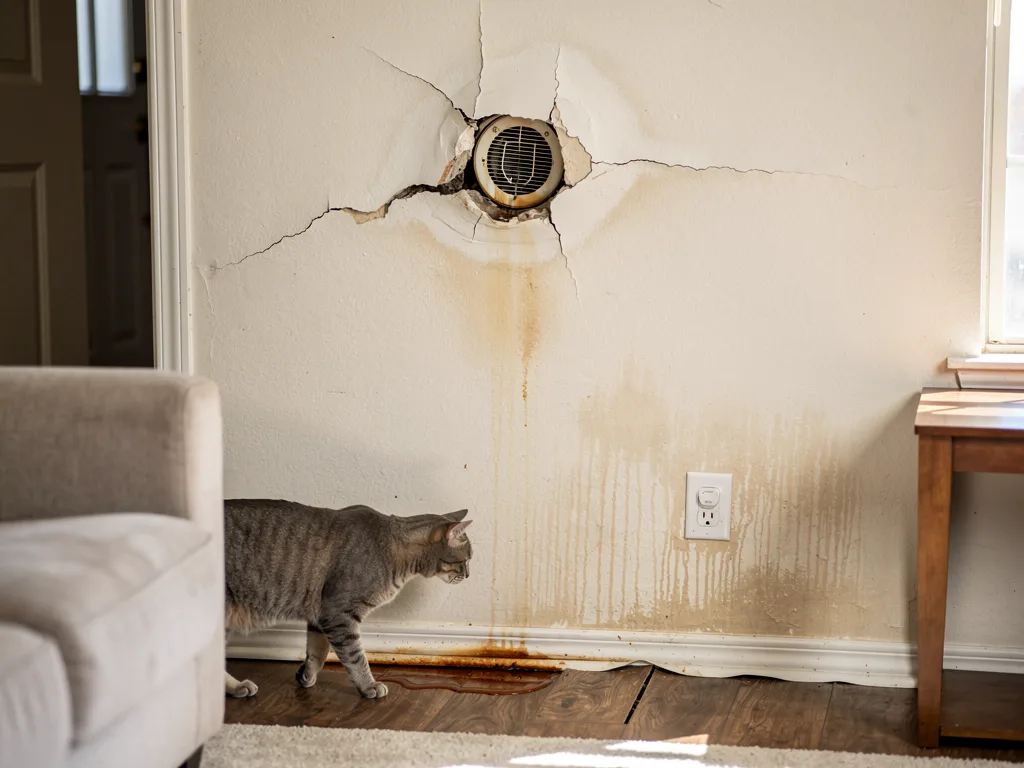
Water intrusion often hides behind walls, under flooring, or in insulation. DIY efforts may move moisture to new areas or fail to address the root cause. If you notice rising humidity, swelling floors, or soft spots you can press to test, it’s time to bring in a restoration specialist. In Texas, the weather can complicate drying times, so a professional assessment is essential to avoid repeat issues.
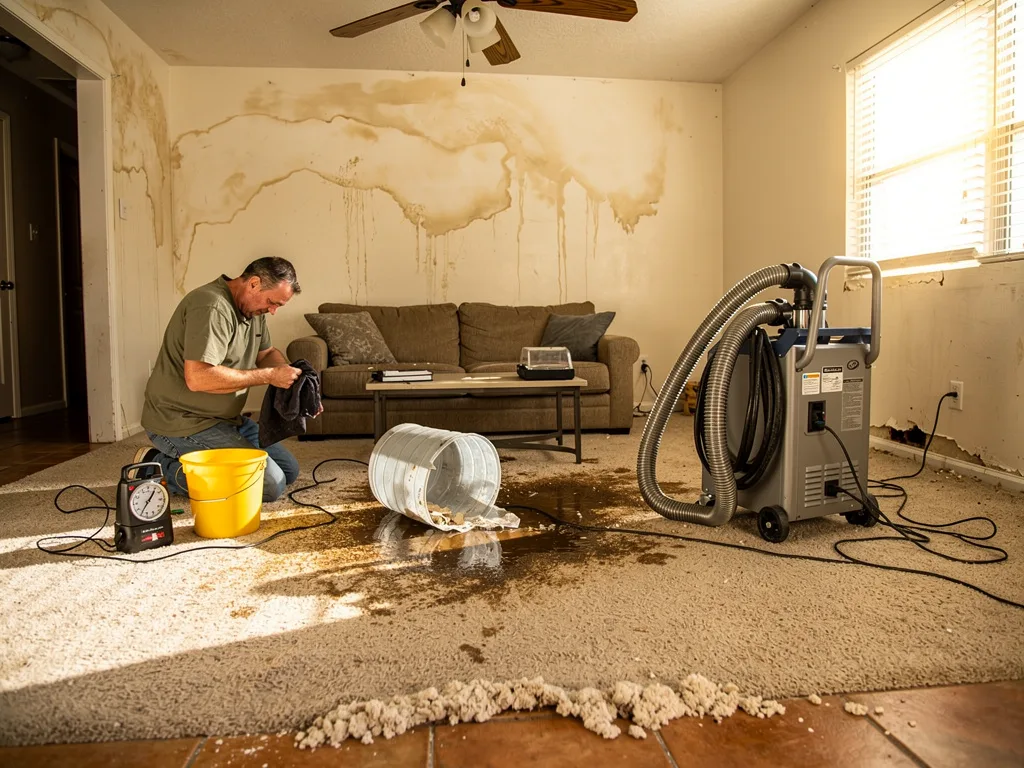
Also, if you’re dealing with large volumes of water, contaminated water, or mold concerns, professional help is necessary. A restoration specialist uses specialized equipment to map moisture, control air quality, and implement a safe drying strategy that a DIY approach usually cannot match.
What to expect from a pro assessment
A restoration specialist evaluates the extent of moisture, identifies hidden damage, and recommends a plan that prioritizes both safety and cost efficiency. The goal is to restore functionality while preventing secondary problems. In Texas, statewide crews coordinate drying, debris removal, and, if needed, reconstruction, ensuring work progresses logically and safely.
Plan for a phased approach: initial mitigation, moisture mapping, drying, and then restoration. Expect written timelines and a clear scope of work. Our team at Texas Flood Restoration communicates what’s happening at every step and answers your questions honestly.
Key questions to ask
- Do you expect any need for demolition or structural work?
- Will you provide a written estimate with a breakdown of costs?
- What equipment will you use to dry and monitor moisture levels?
Knowing these answers helps Texas homeowners decide when to DIY and when a restoration specialist should take the lead, statewide and across Texas.