Spotting the early signs
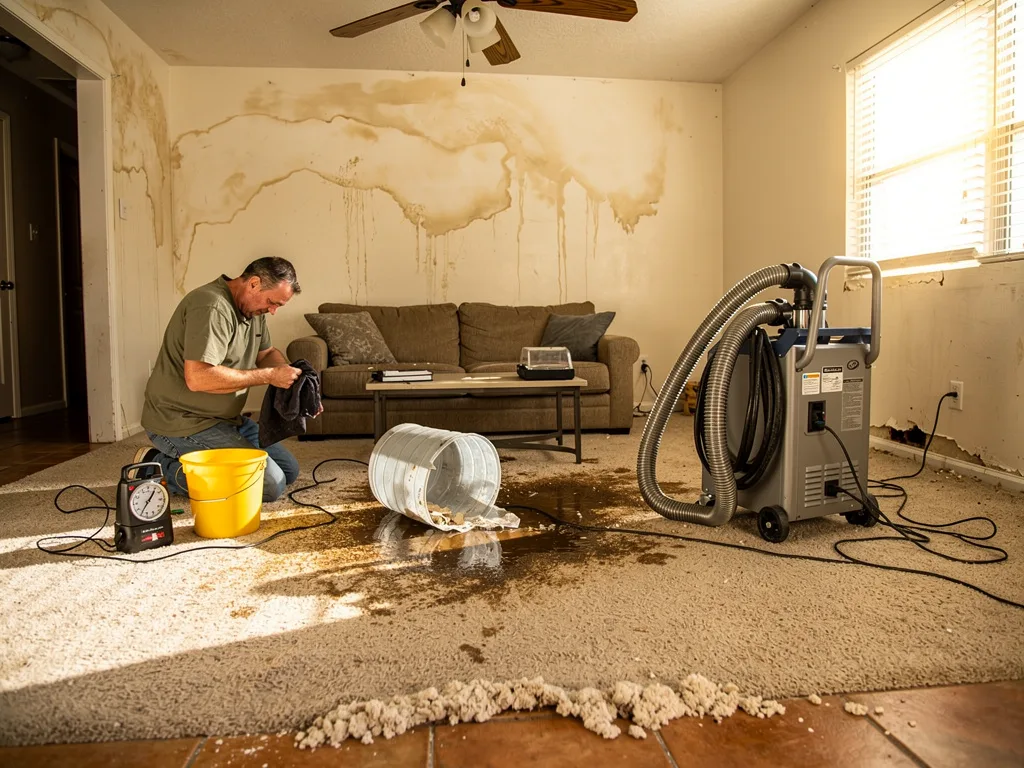
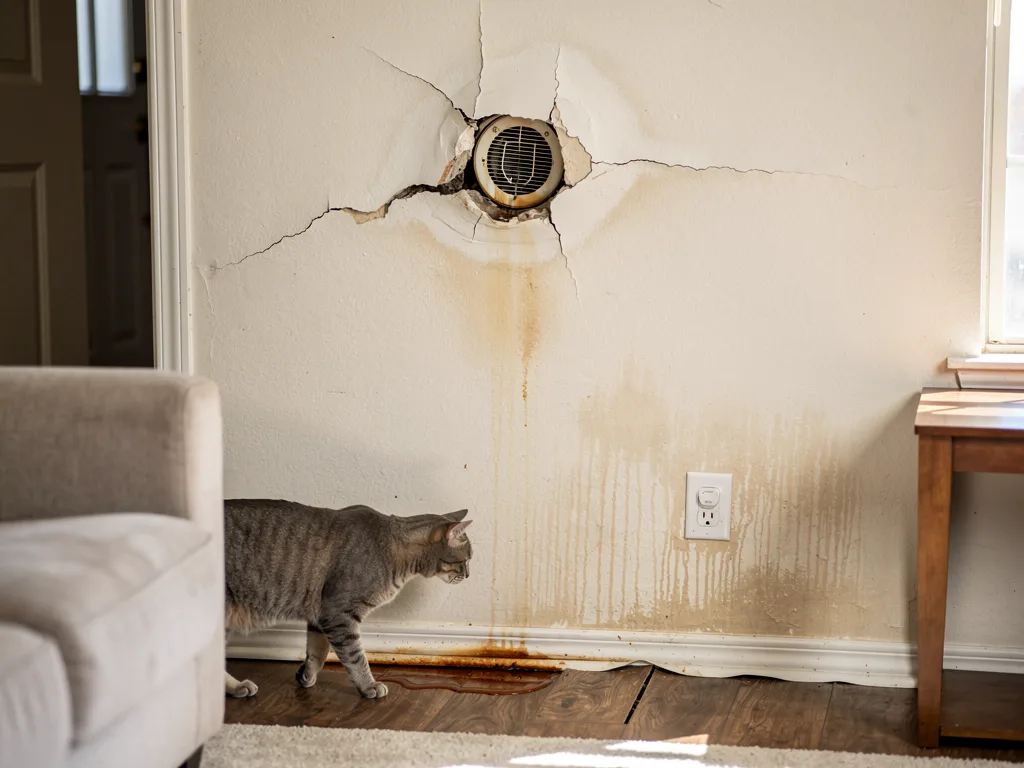
Water can creep into a home in subtle ways. In Texas, a light, musty odor near a wall, peeling paint, or paint bubbles on substrate surfaces can signal moisture behind the surface. Look for damp spots along baseboards after rain or a rapid rise in humidity in a single room. These aren’t just inconvenient; they can point to a hidden issue that, if ignored, complicates restoration work later.
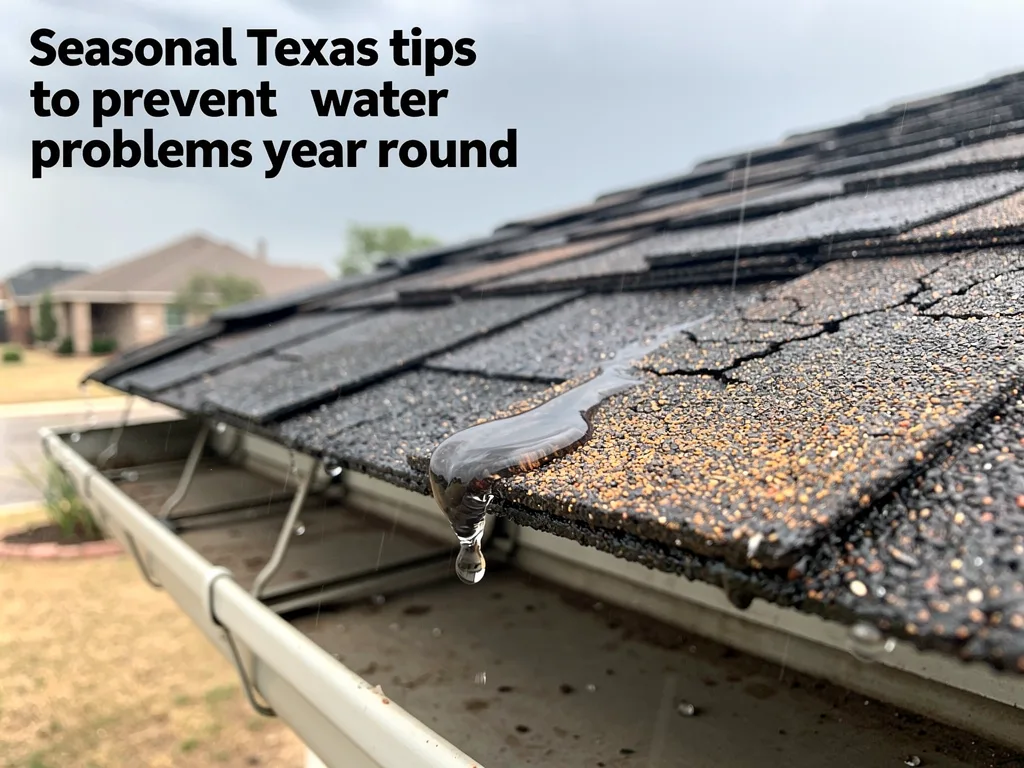
Color changes on ceiling material or drywall, darkened wood trim, and the presence of staining are red flags. A small drip from a roof line after storms or a warm, wet corner behind cabinetry can also indicate moisture. Restoration specialists routinely check for moisture in hidden spaces using noninvasive meters to map where the problem is coming from.
Why early warning matters
Moisture left untreated tends to spread. In Texas, humidity can accelerate mold growth and wood warping, which heightens repair costs and extends the project timeline. Early detection helps our team plan a targeted response and minimizes the disruption to your home.
When you notice any of these signs, it’s best to call a restoration specialist promptly. A quick assessment helps Texas Flood Restoration determine the source and scope and outline a plan that keeps your belongings safer and your home drier longer.
What a typical assessment covers
During a Texas-wide inspection, restoration specialists check for visible leaks, inspect roofing lines, examine plumbing penetrations, and test for moisture behind walls and under floors. They’ll assess humidity levels, inspect insulation, and identify potential secondary damage such as warped flooring or stained ceilings. The goal is to map the problem and propose a practical course of action that fits your home and budget.
Expect a written assessment that lists findings, recommended next steps, and a transparent estimate. You should see a clear plan with a timeline and staging for any drying, demolition, or reconstruction work that may be needed across different areas of the house.
Practical tips for homeowners
- Document the area with photos when you first notice a problem.
- Keep the space well ventilated and reduce humidity if you can safely do so.
- Turn off affected circuits only if you can do so safely and without risk of water contact.
By staying vigilant and acting quickly, Texas homeowners can prevent bigger issues. If you see signs like staining, odors, or dampness that persists after a cleaning cycle, call a restoration specialist at Texas Flood Restoration for a professional assessment across Texas.